Can You Use Rice Paper on Glass? Complete Step-by-Step Guide
Posted by VFLEX Shop
Filed in Arts & Culture 6 views
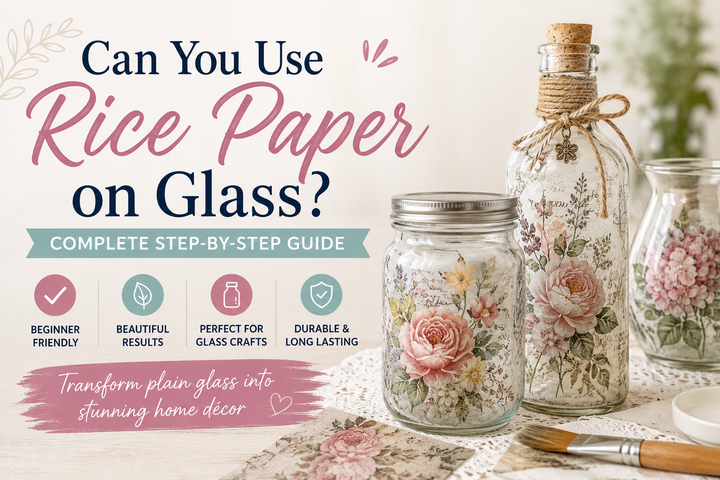
Glass is one of the most versatile surfaces for DIY decorating, making it a favourite among crafters who enjoy creating personalised home décor, seasonal decorations, and handmade gifts. Whether you're transforming a plain glass jar into a decorative lantern, refreshing an old vase, or giving bottles a vintage-inspired look, decoupage offers endless creative possibilities.
One question many beginners ask is: Can you use rice paper on glass? The answer is yes. In fact, rice paper is one of the best materials for glass decoupage because its lightweight fibres adhere smoothly to curved and flat glass surfaces while creating a beautiful painted effect once sealed.
Success, however, depends on choosing the right materials, preparing the glass correctly, and following a few essential techniques. This guide explains everything you need to know—from preparing your surface to sealing the finished design—so you can create long-lasting projects with confidence.
Why Rice Paper Works So Well on Glass
Unlike standard printer paper or thick scrapbook paper, decoupage rice paper is specifically designed to work with adhesives and decorative finishes. Its fine natural fibres allow it to blend seamlessly into the surface, making the edges less noticeable after sealing.
Glass presents a smooth, non-porous surface that requires proper preparation, but once the adhesive cures, rice paper creates a surprisingly durable decorative finish.
Another advantage is flexibility. Rice paper easily conforms to curved objects such as bottles, candle holders, ornaments, and vases without tearing as easily as thinner napkins.
For beginners, this makes it one of the easiest decorative papers to work with.
What Glass Items Can You Decorate?
Rice paper works well on many decorative glass surfaces, including:
- Glass jars
- Bottles
- Flower vases
- Candle holders
- Decorative plates
- Storage containers
- Apothecary jars
- Glass ornaments
- Lanterns
- Picture frames with glass panels
While these projects are perfect for decorative purposes, remember that decoupaged glass intended for food or drink should only be finished with products specifically labelled as food safe.
Materials You'll Need
Having the right materials makes the entire process smoother and helps produce better results.
Basic supplies include:
- Decoupage rice paper
- Decoupage glue
- Soft synthetic brush
- Sharp craft scissors or a precision knife
- Soft cloth
- Isopropyl alcohol or glass cleaner
- Acrylic paint (optional)
- Protective varnish or decoupage sealer
- Fine sandpaper (if required)
Using products designed for decoupage provides more consistent adhesion and a clearer finish than general-purpose craft glues.
Preparing Glass Before Decoupage
Proper preparation is often the difference between a project that lasts for years and one that begins peeling after only a short time.
Start by thoroughly cleaning the glass with alcohol or a glass cleaner to remove fingerprints, dust, grease, and residue. Even small amounts of oil from your hands can reduce adhesion.
Allow the surface to dry completely before beginning.
If you're decorating transparent glass, think about how the finished design will appear from different angles. Some crafters choose to paint the inside or back of the glass with acrylic paint to create a solid background that makes the artwork appear brighter and more vibrant.
Planning this step before applying the paper helps achieve a more professional finish.
Step-by-Step Guide to Applying Rice Paper on Glass
Step 1: Choose Your Design
Select a rice paper design that complements the shape of your project.
Large floral patterns often suit vases and bottles, while smaller illustrations work beautifully on jars, candle holders, and ornaments.
Before applying adhesive, position the paper on the glass to visualise the final layout.
Step 2: Cut or Tear the Paper
Both cutting and tearing produce attractive results.
Cutting creates clean, defined edges that work well for geometric designs.
Tearing the edges creates softer transitions that blend naturally into painted backgrounds, making the finished project appear hand-painted rather than layered.
Choose the method that best suits your design.
Step 3: Apply a Thin Layer of Glue
Using a soft brush, apply a thin, even coat of decoupage glue only to the area you'll be decorating.
Avoid applying excessive glue.
Too much adhesive can oversaturate the paper, making it difficult to reposition and increasing the chance of wrinkles.
Step 4: Position the Rice Paper
Carefully place the rice paper onto the glued surface.
Begin smoothing gently from the centre towards the edges.
This simple technique removes trapped air while helping the paper conform naturally to curved glass surfaces.
Take your time during this stage. Rushing is one of the most common causes of wrinkles and tears.
Step 5: Smooth Out Air Bubbles
Small air bubbles occasionally appear during application.
Use a soft silicone tool, clean plastic card, or your fingertips to gently smooth them outward.
Avoid pressing too firmly, as wet rice paper can still tear if excessive pressure is applied.
Step 6: Allow the Glue to Dry
Patience is essential.
Allow the adhesive to dry completely before applying additional glue or varnish.
Drying times vary depending on humidity, temperature, and the adhesive used, but waiting until the surface is fully dry helps prevent lifting and cloudy finishes.
Step 7: Seal the Project
Once everything has dried, apply a protective varnish.
Rather than using one thick coat, apply several thin coats, allowing each layer to dry thoroughly before adding the next.
This creates a smoother finish while providing better protection against scratches and moisture.
For decorative glass items that will be handled regularly, multiple coats offer improved durability.
Should You Paint Glass Before Applying Rice Paper?
Painting isn't always necessary, but it can dramatically change the finished appearance.
Transparent glass allows light to pass through the rice paper, which sometimes softens colours.
Applying white acrylic paint behind the design makes colours appear brighter and more vivid.
Darker background colours can create dramatic vintage effects and enhance floral or botanical illustrations.
Choosing whether to paint first depends entirely on the look you're trying to achieve.
Common Mistakes to Avoid
Even experienced crafters occasionally encounter problems, but most are easy to prevent.
Using Too Much Glue
Excess glue often creates wrinkles and extends drying time.
Thin, even coats work much better.
Skipping Surface Cleaning
Dust, fingerprints, and oils reduce adhesion.
Always clean glass thoroughly before starting.
Applying Thick Varnish Layers
Heavy coats are more likely to leave brush marks and dry unevenly.
Multiple thin layers produce a clearer finish.
Rushing Drying Times
Applying varnish before the glue has fully dried may trap moisture beneath the surface.
Allow each layer adequate drying time.
Choosing the Wrong Paper
Rice paper is specifically designed for decorative techniques like decoupage and generally performs better than thicker decorative papers on glass.
Expert Tips for Professional Results
Professional-looking projects often come down to a few small details.
Instead of covering the entire surface at once, work in sections.
Handle rice paper gently while it's wet.
Use soft brushes to minimise visible brush strokes.
If you're decorating curved bottles, begin applying the paper from the centre and gradually work outward.
Practising on inexpensive glass jars before tackling larger decorative pieces helps build confidence and improves technique.
Caring for Your Finished Project
Once sealed and fully cured, decorative glass items require very little maintenance.
Dust them with a soft cloth when needed.
Avoid soaking them in water or placing them in a dishwasher unless food-safe, dishwasher-safe products have been specifically used.
Decorative glass projects are best displayed indoors, away from prolonged direct sunlight, which may gradually affect colours over time.
With proper care, a well-made decoupage project can remain beautiful for many years.
Creative Glass Decoupage Ideas
Once you've mastered the basics, there are countless ways to personalise glass items.
- Create elegant centre pieces using decorated flower vases.
- Turn recycled bottles into decorative home accents.
- Design seasonal candle holders for holidays and celebrations.
- Decorate storage jars for kitchens or craft rooms.
- Make personalised gifts for birthdays, weddings, or housewarmings.
Mixing rice paper with painted backgrounds, metallic accents, or decorative finishes allows every project to reflect your own creative style.
Conclusion
Rice paper and glass are an excellent combination for anyone looking to create elegant, handcrafted home décor. With proper preparation, quality materials, and careful application, even beginners can achieve beautiful results that look professionally finished. The key is to work patiently, apply thin layers of adhesive and varnish, and allow each stage to dry completely before moving on.
If you're ready to start your next glass decoupage project, VFLEX offers a carefully curated range of premium craft supplies to help you create with confidence.
The forevermore craft collection decoupage paper is a wonderful choice for adding timeless artwork and intricate designs to glass jars, bottles, vases, and other decorative projects. Explore the collection and discover inspiring materials that bring your creative ideas to life.
Frequently Asked Questions
Can you use rice paper on glass?
Yes. Rice paper adheres very well to properly cleaned glass and creates a smooth, decorative finish when applied with decoupage glue and sealed with varnish.
Is rice paper better than napkins for glass decoupage?
Many crafters prefer rice paper because it is stronger, easier to handle, and less likely to tear during application while still blending beautifully into the surface.
What glue should I use for glass decoupage?
A decoupage glue designed for decorative crafts provides reliable adhesion and dries clear, making it ideal for glass projects.
Should I paint glass before applying rice paper?
Painting is optional. White paint can make colours appear brighter, while darker backgrounds create richer, vintage-style effects.
Why are bubbles forming under my rice paper?
Air bubbles usually occur when too much glue is used or the paper is pressed down too quickly. Smooth the paper gently from the centre outward to remove trapped air.
How many coats of varnish should I apply?
Applying three to five thin coats generally provides better protection and a smoother finish than one heavy coat.
Can decoupaged glass be washed?
Decorative items should be wiped clean with a soft cloth. Unless food-safe and dishwasher-safe products are specifically used, avoid soaking or placing decorated glass in a dishwasher.
How long should I let a decoupage project dry?
Allow the glue to dry completely before sealing, then let the finished project cure according to the varnish manufacturer's recommendations before regular handling.
Is glass a good surface for beginners?
Yes. Glass is an excellent surface for beginners because it is smooth, easy to prepare, and works well with decoupage rice paper when the correct techniques are followed.