Top Android App Development Trends Businesses Should Watch
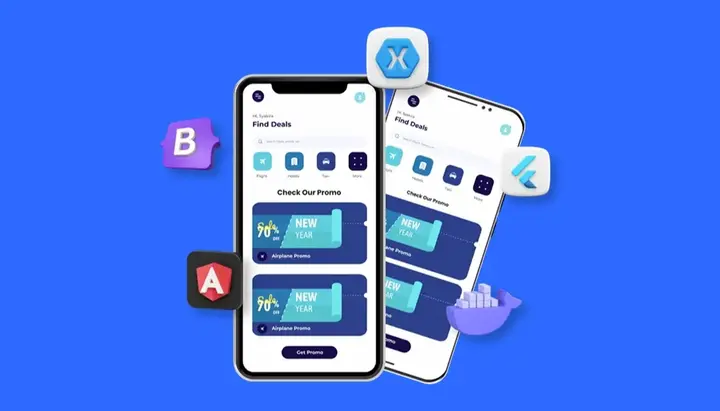
Technology never stands still, and neither do user expectations. Every year brings new possibilities that reshape how businesses connect with their customers through mobile apps. Staying updated is no longer optional—it’s essential for survival in a competitive digital world. That’s why understanding Android App Development trends is so important for businesses that want to stay relevant, innovative, and ahead of the curve.
Behind every successful app today is not just code, but a deep awareness of what users expect next. People want faster experiences, smarter interactions, stronger security, and apps that feel almost effortless to use. When businesses fail to evolve, users simply move on to someone who does it better.
This guide explores the most important Android app development trends shaping the future—and how they can help businesses create more meaningful, powerful digital experiences.
1. Artificial Intelligence Becomes the New Standard
Artificial Intelligence (AI) is no longer a futuristic concept—it’s already everywhere.
From personalized recommendations to smart assistants, AI is transforming how apps think and respond.
Modern Android applications now use AI to:
- Predict user behavior
- Offer personalized content
- Improve customer support through chatbots
- Enhance search results
- Detect fraud or unusual activity
What makes AI so powerful is its ability to learn over time. The more users interact with an app, the smarter it becomes.
For businesses, this means one thing: deeper engagement. Users feel understood, not just served.
And that emotional connection makes all the difference.
2. Rise of 5G-Powered Applications
5G is changing everything.
With ultra-fast internet speeds and lower latency, Android apps can now deliver experiences that once seemed impossible.
This includes:
- Instant video streaming
- Real-time gaming without lag
- Faster downloads and uploads
- Smooth AR/VR experiences
- High-quality video calls
For users, it feels like everything happens instantly. For businesses, it opens doors to richer, more interactive applications.
The apps that fully embrace 5G capabilities will stand out in a crowded market.
Speed is no longer a luxury—it’s an expectation.
3. Growth of Foldable and Flexible UI Design
Smartphones are no longer limited to one standard screen size.
Foldable devices are becoming more common, and Android is evolving to support them beautifully.
This shift requires developers to rethink design completely.
Apps must now:
- Adapt to multiple screen sizes
- Handle dynamic layouts
- Provide seamless transitions between folded and unfolded modes
- Maintain consistency across devices
This is where responsive UI design becomes critical.
A well-designed app feels natural no matter how the user holds their device.
It’s not just about looking good—it’s about feeling right in every situation.
4. Increasing Demand for Instant Apps
Nobody likes waiting.
Android Instant Apps are becoming more popular because they allow users to access features without downloading the full application.
This creates a frictionless experience:
- No installation required
- Faster access to features
- Lower storage usage
- Better user engagement
For businesses, this means users can experience their app instantly—reducing drop-offs and increasing conversions.
It’s like giving someone a quick taste before they decide to fully commit.
And in many cases, that first impression is everything.
5. Strong Focus on App Security and Privacy
With rising cyber threats, security is no longer optional—it is mandatory.
Users are more aware than ever about how their data is collected, stored, and used.
Modern Android apps now focus heavily on:
- Data encryption
- Secure authentication methods
- Biometric login (fingerprint, face recognition)
- Permission transparency
- Secure API communication
Trust is fragile.
One security breach can damage years of reputation.
Businesses that prioritize security show users that they genuinely care about their privacy—and that builds long-term loyalty.
6. Expansion of Cloud-Based Android Apps
Cloud technology has completely changed the way apps are built and used.
Instead of relying heavily on device storage, apps now use cloud systems for:
- Data storage
- Processing power
- Real-time synchronization
- Backup and recovery
This means users can access their data from anywhere, on any device, without losing progress.
For businesses, cloud-based apps offer:
- Scalability
- Reduced infrastructure costs
- Better performance
- Easier maintenance
The future belongs to apps that live beyond the device.
7. Rise of Augmented Reality (AR) Experiences
Augmented Reality is no longer just for gaming.
It is transforming industries like:
- Retail (virtual try-ons)
- Real estate (virtual tours)
- Education (interactive learning)
- Healthcare (training simulations)
AR blends the digital and physical worlds, creating experiences that feel more real and engaging.
For users, it feels magical.
For businesses, it creates powerful emotional engagement that traditional apps cannot match.
8. Growing Importance of App Performance Optimization
Users today are impatient.
If an app takes too long to load, it is often deleted within seconds.
Performance optimization has become one of the most critical aspects of Android development.
Developers now focus on:
- Faster load times
- Reduced app size
- Smooth animations
- Efficient memory usage
- Battery optimization
A fast app feels professional.
A slow app feels outdated.
That difference decides whether users stay or leave.
9. Rise of Voice-Enabled Applications
Voice technology is changing how people interact with devices.
Instead of tapping and typing, users now prefer speaking.
Voice-enabled apps allow users to:
- Search faster
- Perform hands-free actions
- Improve accessibility
- Use apps while multitasking
From voice assistants to smart search features, voice is making apps more natural and human-like.
It reduces effort—and increases convenience.
10. Super Apps Are Becoming Popular
Instead of using multiple apps for different tasks, users now prefer everything in one place.
Super apps combine multiple services such as:
- Messaging
- Payments
- Shopping
- Booking services
- Entertainment
This trend is growing rapidly in global markets.
For businesses, super apps offer a huge advantage:
- Higher user retention
- Increased engagement
- More revenue streams
- Stronger ecosystem control
The idea is simple: keep users inside one powerful platform instead of sending them elsewhere.
11. Machine Learning for Smarter Experiences
Machine learning is quietly transforming Android apps behind the scenes.
It helps apps become smarter by analyzing user behavior and improving over time.
Examples include:
- Predictive text
- Smart recommendations
- Fraud detection
- Personalized content feeds
The more users interact with an app, the more accurate it becomes.
This creates a deeply personalized experience that feels almost intuitive.
Users don’t just use the app—they feel understood by it.
12. Growth of On-Demand Apps
The world is moving toward instant gratification.
On-demand apps that provide services quickly are becoming more popular than ever.
These include:
- Food delivery
- Ride-sharing
- Healthcare services
- Freelance platforms
- Home services
Users want solutions immediately—and Android apps are making that possible.
Speed, convenience, and reliability are the foundation of this trend.
13. Increased Use of Kotlin as Primary Language
Kotlin has become the preferred language for Android development.
It offers:
- Cleaner code
- Fewer errors
- Better performance
- Strong support from Google
Developers love it because it simplifies complex processes.
Businesses benefit from faster development and more stable applications.
It is quickly becoming the standard for modern Android apps.
14. Sustainable and Energy-Efficient App Development
Sustainability is becoming an important part of technology.
Modern apps are being designed to:
- Use less battery power
- Reduce background processing
- Optimize data usage
- Minimize environmental impact
This not only improves user experience but also supports global sustainability efforts.
Efficiency is no longer just technical—it’s ethical.
Conclusion
The world of Android apps is evolving faster than ever before. From artificial intelligence and cloud computing to AR experiences and super apps, each trend is reshaping how businesses connect with users.
But behind all these innovations lies a simple truth: users want experiences that feel fast, intuitive, and meaningful.
Businesses that stay updated with these trends are not just keeping up with technology—they are building stronger emotional connections with their users. And in today’s digital world, that connection is everything.
The future of Android apps belongs to those who are willing to adapt, innovate, and put users at the center of every decision. Because at the end of the day, great apps don’t just function well—they make people’s lives better.