How to Select the Right Car Window Film Based on Your Climate
Posted by Grasi India
Filed in Business 9 views
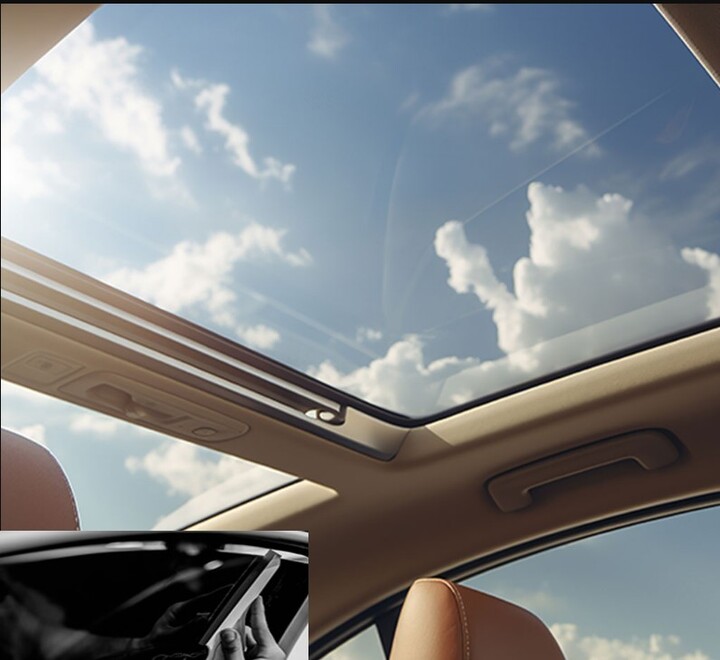
Choosing the right window film for your vehicle is about much more than improving its appearance. The climate you drive in can significantly impact your comfort, fuel efficiency, interior protection, and overall driving experience. A window film that performs well in a hot desert region may not be the best choice for areas with colder temperatures or high humidity.
This is why selecting the right car window film based on your local climate is essential. Different films offer varying levels of heat rejection, UV protection, glare reduction, and insulation. Understanding how these features align with your environment can help you make a smarter investment and maximize the benefits of window tinting.
In this guide, we'll explain how climate affects window film performance and how to choose the best option for your specific weather conditions.
Why Climate Matters When Choosing Car Window Film
Every climate presents unique challenges for vehicle owners.
In hot regions, excessive solar heat can make interiors uncomfortable and increase air conditioning usage. In colder areas, maintaining cabin warmth becomes more important. Humid environments can expose vehicles to additional wear, while regions with strong sunlight require enhanced UV protection.
The effectiveness of a car window film largely depends on how well it addresses these environmental factors.
Choosing a film solely based on appearance may result in missed opportunities for improved comfort and performance.
Understanding Different Types of Car Window Film
Before selecting a film for your climate, it's important to understand the most common types available.
1 1. Dyed Window Film
Dyed films absorb sunlight and reduce glare while providing a darker appearance.
Benefits include:
- Affordable pricing
- Improved privacy
- Reduced glare
- Non-reflective finish
However, dyed films generally offer lower heat rejection compared to premium options.
2 2. Metalized Window Film
Metalized films contain microscopic metallic particles that reflect heat and sunlight.
Benefits include:
- Better heat rejection
- Increased durability
- Improved UV protection
However, they may interfere with GPS, mobile phone signals, and radio reception.
3 3. Carbon Window Film
Carbon films provide excellent heat reduction without using metal particles.
Benefits include:
- Strong UV protection
- Reduced interior heat
- Fade resistance
- Signal-friendly performance
Carbon films are often considered a good balance between performance and affordability.
4. Ceramic Window Film
Ceramic films are among the most advanced window tinting solutions available.
Benefits include:
- Superior heat rejection
- Excellent UV protection
- Reduced glare
- No signal interference
- Long lifespan
Although more expensive, ceramic films often deliver the best overall performance.
Best Car Window Film for Hot and Sunny Climates
If you live in a region with intense sunlight and high temperatures, heat rejection should be your top priority.
Recommended Option: Ceramic Window Film
Ceramic films excel at blocking infrared heat while allowing clear visibility.
Key advantages include:
- Cooler cabin temperatures
- Reduced air conditioning usage
- Enhanced driving comfort
- Protection against interior fading
Alternative Option: Carbon Window Film
Carbon films also perform well in hot climates and offer strong heat reduction at a lower cost than ceramic films.
Features to Prioritize
- High infrared heat rejection
- UV protection above 99%
- Glare reduction
- Long-term durability
Best Car Window Film for Cold Climates
In colder regions, the focus shifts slightly from heat rejection to insulation and year-round comfort.
Recommended Option: Ceramic Window Film
Ceramic films help regulate cabin temperature by reducing heat transfer through the glass.
Benefits include:
- Improved insulation
- Reduced glare from snow and ice
- Enhanced UV protection
Features to Prioritize
- Thermal insulation
- Clear visibility
- Durability during seasonal temperature changes
Best Car Window Film for Humid and Coastal Areas
High humidity, salt exposure, and frequent rainfall can impact vehicle components over time.
Recommended Option: Carbon Window Film
Carbon films resist fading and perform well in challenging environmental conditions.
Benefits include:
- Moisture resistance
- Long-lasting appearance
- Strong UV protection
Features to Prioritize
- Corrosion resistance
- Fade resistance
- Stable performance in humid environments
Best Car Window Film for Areas with Intense UV Exposure
Some regions experience strong sunlight throughout the year, increasing the risk of UV-related damage.
Prolonged UV exposure can lead to:
- Interior fading
- Dashboard cracking
- Upholstery deterioration
- Increased skin exposure during driving
Recommended Option: Ceramic or Carbon Film
These films offer excellent UV-blocking capabilities while maintaining visibility and comfort.
Features to Prioritize
- 99% UV protection
- Interior preservation
- Enhanced occupant comfort
Best Car Window Film for Mixed Climate Conditions
Many drivers experience a combination of hot summers, cold winters, and changing seasonal weather.
Recommended Option: Ceramic Window Film
Ceramic film is often considered the most versatile solution because it performs effectively across multiple climate conditions.
Benefits include:
- Year-round comfort
- Superior heat rejection
- UV protection
- Reduced glare
- Long-term durability
Although it requires a higher upfront investment, its broad range of benefits makes it a popular choice for diverse climates.
Additional Factors to Consider
1 1. Local Tint Regulations
Before installing any window film, review local laws regarding visible light transmission (VLT) levels and permissible tint darkness.
2 2. Driving Habits
Drivers who spend long hours on the road may benefit from higher-performance films that reduce fatigue caused by heat and glare.
3 3. Budget
While ceramic films provide premium performance, carbon and dyed films can still offer valuable benefits at lower price points.
4 4. Professional Installation
Even the best film may underperform if installed incorrectly. Professional installation helps ensure proper adhesion, appearance, and longevity.
How to Make the Right Choice
When selecting a car window film, ask yourself:
- How hot does my region get?
- Is UV exposure a major concern?
- Do I experience extreme seasonal changes?
- How important is privacy?
- What is my budget?
Answering these questions will help narrow your options and identify the film best suited to your environment.
Conclusion
The ideal car window film depends largely on the climate in which your vehicle operates. Hot regions benefit from superior heat rejection, humid environments require durable materials, and colder climates demand effective insulation and glare reduction.
By considering your local weather conditions, driving habits, and performance expectations, you can select a car window film that delivers long-term comfort, protection, and value. Whether you choose ceramic, carbon, metalized, or dyed film, matching the product to your climate is the key to maximizing its benefits.