Why a Compressed Air Filter is Essential for Clean and Efficient Air Systems
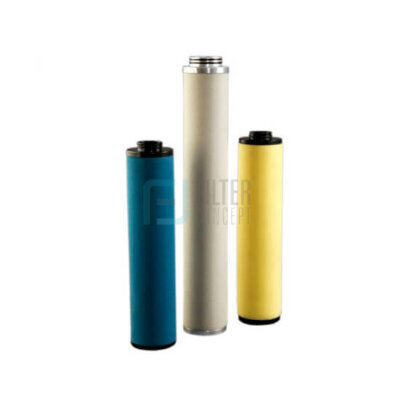
Compressed air powers countless industrial operations, from manufacturing and food processing to automotive workshops and pharmaceutical production. While compressed air is often referred to as the fourth utility after electricity, gas, and water, its quality is just as important as its availability. Without proper filtration, compressed air can carry dust, oil aerosols, moisture, and other contaminants that reduce equipment performance and compromise product quality.
A compressed air filter is designed to remove these impurities before they reach your equipment or production line. Investing in the right filtration solution not only protects your machinery but also improves operational efficiency, reduces maintenance costs, and extends the life of your compressed air system.
What Is a Compressed Air Filter?
A compressed air filter is a filtration device installed within a compressed air system to capture unwanted contaminants. As air travels through the compressor, it can pick up particles, oil vapor, rust, water droplets, and other impurities. These contaminants can damage pneumatic equipment, clog valves, and affect the quality of finished products.
The filter separates these unwanted materials from the airflow, delivering cleaner, drier air for industrial applications.
Why Clean Compressed Air Matters
Many businesses focus on compressor performance but overlook the quality of the air being delivered. Contaminated compressed air can lead to equipment failures, increased energy consumption, and costly production downtime.
Using a reliable compressed air filter provides several important benefits:
- Protects pneumatic tools and machinery
- Reduces wear on valves and cylinders
- Prevents contamination in production processes
- Improves system efficiency
- Lowers maintenance and repair costs
- Extends equipment lifespan
- Helps maintain consistent product quality
For industries where cleanliness is critical, such as pharmaceuticals and food manufacturing, proper air filtration is essential for meeting quality standards.
Common Types of Compressed Air Filters
Different applications require different levels of filtration. Choosing the correct filter depends on the type of contaminants you need to remove.
Particulate Filters
These filters capture solid particles such as dust, rust, dirt, and pipe scale. They are commonly used as the first stage of filtration.
Coalescing Filters
Coalescing filters remove fine oil aerosols and moisture droplets by combining tiny liquid particles into larger droplets that can be drained away. They are widely used in industrial compressed air systems.
Activated Carbon Filters
Activated carbon filters eliminate oil vapors, odors, and hydrocarbon contamination. They are suitable for applications requiring exceptionally clean air, including food, beverage, and pharmaceutical industries.
High-Efficiency Filters
These filters provide ultra-fine filtration for sensitive manufacturing environments where even microscopic particles must be removed.
Signs Your Compressed Air Filter Needs Replacement
Even the best filter loses effectiveness over time. Replacing filter elements at the recommended intervals helps maintain system performance.
Common signs include:
- Reduced air pressure
- Higher energy consumption
- Excess moisture in the air lines
- Oil contamination
- Increased pressure drop
- Poor equipment performance
- Frequent maintenance issues
Ignoring these warning signs can result in higher operating costs and unexpected equipment failures.
Choosing the Right Compressed Air Filter
Selecting the right compressed air filter depends on several factors, including operating pressure, airflow requirements, air quality standards, and the specific application.
Before purchasing a filter, consider:
- Maximum flow rate
- Working pressure
- Required filtration efficiency
- Operating temperature
- Type of contaminants present
- Maintenance requirements
Working with an experienced filtration supplier can help you choose the most suitable solution for your system.
Best Practices for Filter Maintenance
Regular maintenance is essential for keeping your compressed air system operating efficiently.
To maximize filter performance:
- Inspect filters regularly for damage.
- Replace filter elements according to the manufacturer's schedule.
- Drain accumulated condensate frequently.
- Monitor pressure drop across the filter.
- Check for air leaks within the system.
- Keep compressor equipment properly serviced.
A proactive maintenance schedule reduces downtime and helps maintain consistent air quality.
Applications Across Industries
A compressed air filter is used in a wide range of industries where clean compressed air is essential.
Common applications include:
- Manufacturing plants
- Automotive workshops
- Food and beverage processing
- Pharmaceutical production
- Chemical industries
- Textile manufacturing
- Electronics assembly
- Packaging facilities
- Medical equipment manufacturing
Each industry relies on clean compressed air to improve productivity, protect equipment, and maintain product quality.
Conclusion
Clean compressed air is the foundation of an efficient and reliable industrial system. A high-quality compressed air filter removes harmful contaminants, protects valuable equipment, and helps maintain consistent production standards.
Whether you're operating a small workshop or a large manufacturing facility, investing in the right filtration solution delivers long-term benefits through improved efficiency, reduced maintenance costs, and enhanced equipment reliability. By selecting the appropriate filter and following a regular maintenance schedule, your compressed air system will continue to perform at its best for years to come.