Before You Pick Up a Paintbrush: What Richmond Hill Homeowners Should Know First
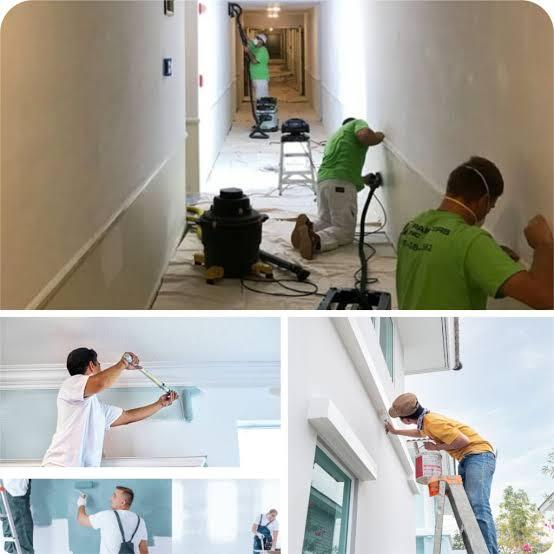
Fresh paint can completely change the look and feel of a home. It brightens tired rooms, protects exterior surfaces from weather, and adds value before selling. Still, many homeowners discover that a successful painting project involves much more than choosing a color from a sample card.
In Richmond Hill and across the Greater Toronto Area, homes face changing temperatures, humidity, freezing winters, and warm summers. These seasonal conditions can affect paint performance, surface preparation, and project timing. Knowing what to expect before starting can help you avoid common mistakes, protect your investment, and enjoy results that last for years.
Why Homeowners Choose Professional Painting
A new coat of paint is one of the most cost-effective ways to improve a home's appearance. While many people think about painting for cosmetic reasons, there are several practical benefits that make it a worthwhile investment.
One common reason is normal wear and tear. Interior walls collect scuff marks, stains, nail holes, and fading over time. Busy households with children or pets often notice these signs even sooner. Fresh paint restores clean, bright surfaces without the expense of major renovations.
Outside the home, paint acts as a protective barrier. Ontario weather exposes siding, trim, and wood surfaces to rain, snow, UV rays, and moisture throughout the year. As paint ages, it begins to crack, peel, or lose adhesion, leaving building materials vulnerable to damage.
Many homeowners also repaint before listing a property for sale. Neutral colors help buyers picture themselves living in the space, while well-maintained walls create a positive first impression during showings.
Others simply want their home to better reflect their style. Whether updating a single room or refreshing the entire property, a carefully planned painting project can make a house feel new again without extensive remodeling.
Although some homeowners attempt the work themselves, many eventually choose painters richmond hill residents trust because proper preparation and application often determine how long the finish lasts.
Why Painting Projects Are Different in Ontario
Painting a home in Ontario comes with challenges that homeowners in milder climates may never experience.
Winter temperatures can slow curing times and make exterior work impossible. Spring often brings fluctuating temperatures and frequent rainfall that interfere with scheduling. Summer offers longer working days but introduces heat and humidity that affect drying. Fall is often considered one of the best seasons for exterior work because temperatures are generally more stable.
Indoor projects also require planning throughout the year. During winter, homes remain tightly sealed, making ventilation more difficult. Humidity from cooking, showers, and everyday living can influence drying times if airflow is limited.
Several local conditions also affect paint longevity:
-
Freeze-thaw cycles create movement in exterior materials.
-
Moisture can lead to peeling or blistering paint.
-
Strong sunlight fades darker colours over time.
-
Tree pollen, dust, and airborne debris may settle on fresh finishes.
-
Older homes may require additional surface repairs before painting begins.
These factors explain why experienced contractors often spend more time evaluating conditions than homeowners expect before opening the first can of paint.
What a Professional Painting Project Typically Includes
Many homeowners assume painting simply involves applying a few coats of colour. In reality, the visible paint is only one part of the entire process. Most of the work happens before the first coat is applied.
Initial Inspection
Every successful project starts with an inspection of the surfaces.
A contractor checks for issues such as:
-
Cracks
-
Water damage
-
Peeling paint
-
Loose drywall tape
-
Wood rot
-
Mold or mildew
-
Nail pops
-
Caulking failures
Finding these problems early prevents new paint from failing prematurely.
Planning the Project
Once the surfaces have been evaluated, planning begins.
This stage usually includes:
-
Confirming project scope
-
Selecting colours and finishes
-
Estimating material quantities
-
Scheduling work around weather
-
Protecting furniture and landscaping
-
Identifying repairs before painting
Good planning minimizes delays and helps ensure a smoother project from start to finish.
Surface Preparation
Preparation is often the most time-consuming part of any painting job.
Typical preparation may include:
-
Washing surfaces
-
Scraping loose paint
-
Sanding rough areas
-
Filling holes and cracks
-
Repairing drywall damage
-
Replacing damaged caulking
-
Priming repaired sections
-
Masking floors, windows, and fixtures
Skipping these steps often leads to uneven finishes, peeling, or poor paint adhesion.
Professional crews, including companies such as revivepainting, generally emphasize preparation because it directly affects the durability and appearance of the final result.
Choosing the Right Materials
Not every paint works well on every surface.
Professionals consider factors such as:
-
Interior versus exterior use
-
Moisture exposure
-
Sunlight
-
Existing surface material
-
Desired finish
-
Ease of cleaning
-
Expected durability
Higher-quality paints typically provide better coverage and longer service life, although the best choice depends on the specific room or exterior surface rather than price alone.
Application and Cleanup
Once preparation is complete, painting begins using techniques suited to each surface.
Depending on the project, this may involve:
-
Brushing
-
Rolling
-
Spraying
-
Back rolling for even coverage
-
Multiple finish coats where needed
After painting is complete, masking materials are removed, work areas are cleaned, furniture is returned, and a final walkthrough allows homeowners to review the finished project before completion.
What Painting Costs in Ontario and the GTA
One of the first questions homeowners ask is, "How much will a painting project cost?" The answer depends on the size of the job, the condition of the surfaces, and the amount of preparation required. While every home is different, understanding the factors involved can help you set a realistic budget.
For interior projects, contractors often estimate costs based on the number of rooms, total wall area, ceiling height, trim, and the amount of repair work needed. A single bedroom generally costs much less than painting an entire home, especially if ceilings, doors, and baseboards are included.
Exterior painting usually costs more because it involves additional preparation, weather considerations, specialized equipment, and safety measures. Homes with multiple stories, steep rooflines, or extensive trim require more labour than simple bungalow-style properties.
In Ontario and the GTA, homeowners can generally expect:
-
A single room to cost several hundred dollars.
-
Multiple rooms or a full main floor to range into the low thousands.
-
Whole-home interior projects to increase based on square footage and finishes.
-
Exterior painting to vary depending on the home's size, height, and condition.
Rather than looking for the lowest quote, compare what each estimate includes. One contractor may include extensive preparation and premium products, while another may quote a lower price by skipping important steps.
Factors That Influence the Final Price
Several variables can significantly affect the overall project cost.
Home Size
Larger homes naturally require more paint, more labour, and additional time.
Surface Condition
Walls with cracks, water damage, peeling paint, or patched drywall require extra preparation before painting begins.
Accessibility
High ceilings, stairwells, vaulted spaces, and multi-storey exteriors often require ladders, scaffolding, or specialized equipment.
Paint Quality
Higher-quality paints generally offer better coverage, durability, and washability. Although they cost more upfront, they may reduce the need for frequent repainting.
Number of Colours
Using several colours throughout a home increases cutting-in time, masking, and cleanup.
Trim and Detail Work
Painting doors, crown moulding, baseboards, built-in shelving, and window trim adds labour because these areas require greater precision.
Scheduling
Exterior projects completed during the busiest months may have longer booking times. Planning ahead can provide more scheduling flexibility.
Warning Signs Your Home May Need Fresh Paint
Paint doesn't usually fail overnight. It often gives homeowners several warning signs before more serious damage develops.
Outside the home, peeling or bubbling paint is one of the clearest indicators that moisture has found its way beneath the coating. Ignoring the problem can expose wood and other materials to further deterioration.
Fading is another common issue. Constant sunlight gradually breaks down pigments, causing once-rich colours to appear dull and uneven. While fading may seem cosmetic, it often signals that the paint's protective qualities are also weakening.
Inside the home, persistent stains that won't clean off, scuff marks that remain visible, or hairline cracks around windows and doors may indicate it's time for a refresh.
Other signs include:
-
Chipping paint around trim
-
Caulking that has dried out or separated
-
Water stains after previous leaks
-
Mildew in bathrooms or laundry rooms
-
Cracked or brittle exterior finishes
-
Areas where previous repairs remain highly visible
Addressing these problems early is usually less expensive than waiting until extensive repairs become necessary.
Practical Tips Before Hiring a Painting Contractor
Choosing the right contractor takes more than collecting two or three estimates. Spending a little extra time during the selection process can help you avoid misunderstandings and unexpected costs.
Ask Detailed Questions
A written estimate should explain more than the total price.
Ask questions such as:
-
What preparation is included?
-
How many coats of paint will be applied?
-
Which paint products will be used?
-
Are repairs included?
-
How long is the project expected to take?
-
What cleanup is included?
Clear answers make it easier to compare proposals fairly.
Understand the Warranty
Not all warranties are the same.
Ask whether the warranty covers workmanship, materials, or both. Also find out what situations are excluded, such as damage caused by moisture leaks or structural movement.
Compare More Than Price
A lower estimate isn't always the better value.
Consider factors like:
-
Experience
-
Communication
-
Preparation methods
-
Product quality
-
Scheduling
-
References
-
Professionalism
An experienced contractor who spends more time preparing surfaces may deliver results that last significantly longer.
Choose Colours Carefully
Paint colours often look different once applied to a full wall.
Lighting, flooring, furniture, and natural sunlight all affect how a colour appears throughout the day. Testing sample patches before making a final decision helps prevent disappointment.
Plan Around Your Household
Painting can temporarily disrupt daily routines.
If possible:
-
Move fragile items before work begins.
-
Keep pets in a separate area.
-
Discuss parking and access with the crew.
-
Schedule around family events or vacations.
-
Allow enough drying time before moving furniture back into place.
A little planning makes the entire project much smoother for everyone involved.
DIY vs. Hiring a Professional
Many homeowners enjoy taking on improvement projects themselves, and painting can seem like one of the more approachable options. For smaller jobs, a DIY approach may save money and provide a sense of accomplishment. However, larger or more complex projects often require skills and equipment that go beyond basic painting.
When DIY Makes Sense
Painting a small bedroom, home office, or accent wall can be a manageable weekend project if the surfaces are in good condition.
DIY may be a good choice when:
-
The room is easy to access.
-
Minimal repairs are needed.
-
You already own basic painting tools.
-
You have enough time to complete the work without rushing.
-
The finish does not require specialized techniques.
Taking your time with preparation and following the manufacturer's instructions can produce respectable results on straightforward projects.
DIY Challenges
Many homeowners underestimate how much preparation is involved. Cleaning, patching, sanding, taping, and priming often take longer than applying the paint itself.
Other common challenges include:
-
Uneven roller marks
-
Visible brush strokes
-
Paint drips
-
Missed surface repairs
-
Incorrect paint selection
-
Inconsistent colour coverage
-
Difficulty cutting in around ceilings and trim
Exterior projects introduce additional concerns, especially when working on ladders or reaching upper storeys safely.
Benefits of Hiring a Professional
Experienced painters bring knowledge that helps prevent many common problems before they occur.
Professional services typically offer:
-
Thorough surface preparation
-
Consistent, even finishes
-
Efficient project completion
-
Access to commercial-grade equipment
-
Proper product selection for each surface
-
Safer handling of high or difficult areas
-
Less disruption to your daily routine
Professional painters also know how Ontario's climate affects different surfaces and can recommend products suited to local weather conditions.
Making the Right Choice
There is no single answer for every homeowner.
A small interior refresh may be ideal for someone who enjoys DIY projects and has the necessary time. On the other hand, larger homes, detailed trim work, damaged surfaces, or exterior painting usually benefit from professional experience.
Before deciding, consider the total investment of your time, the cost of supplies, and how important long-term durability is for your home.
Frequently Asked Questions
How often should a home be repainted?
It depends on the surface, the quality of the previous paint job, and exposure to weather. Interior living areas often remain in good condition for several years, while high-traffic spaces may need attention sooner. Exterior surfaces generally require repainting when signs of wear, fading, or peeling become noticeable.
What is the best season for exterior painting in Ontario?
Late spring, summer, and early fall usually provide the most suitable conditions. Moderate temperatures and lower chances of prolonged rain help paint cure properly.
How long does a typical painting project take?
A single room may take one to two days, depending on preparation and drying time. Whole-home interiors or exterior projects often require several days to over a week, depending on size and complexity.
Can painting increase home value?
A well-executed paint job can improve curb appeal and create a cleaner, well-maintained appearance inside the home. While paint alone does not guarantee a higher selling price, it often helps make a positive first impression on potential buyers.
Should damaged drywall be repaired before painting?
Yes. Painting over cracks, dents, or water damage usually makes imperfections more noticeable. Proper repairs create a smoother finish and help the new paint perform better over time house painters richmond hill,
Is premium paint worth the extra cost?
In many cases, yes. Higher-quality products often provide better coverage, improved durability, and easier cleaning. The best choice depends on the room, surface, and expected level of wear.
Final Verdict
A painting project is about more than changing the colour of your walls. Good preparation, quality materials, and careful application all contribute to a finish that looks attractive and stands up to everyday use. By understanding the process, budgeting realistically, recognizing early warning signs, and choosing the right approach for your home, you can avoid many of the problems that lead to disappointing results.
Whether you're refreshing one room or updating an entire property, taking the time to plan carefully will help you achieve a finish that protects your investment and enhances your home's appearance for years to come.